
Theme: Beat Plastic Pollution
Women Leading : From Margins to Frontlines in the Battle Against Plastic Pollution
World Environment Day, celebrated worldwide every June 5th, serves as the United Nations’ main platform to raise awareness and promote action on critical environmental issues. In 2025, the campaign theme was a familiar yet urgent call: Beat Plastic Pollution.
While World Environment Day typically offers a moment for reflection on our planet’s well-being, this year at Waithaka Social Hall, the focus went beyond speeches and slogans. It spotlighted women—resilient, often overlooked and unseen—who spend their days on the frontlines of plastic pollution. Waste pickers, mothers, changemakers—these women are integral to the fight against environmental degradation.
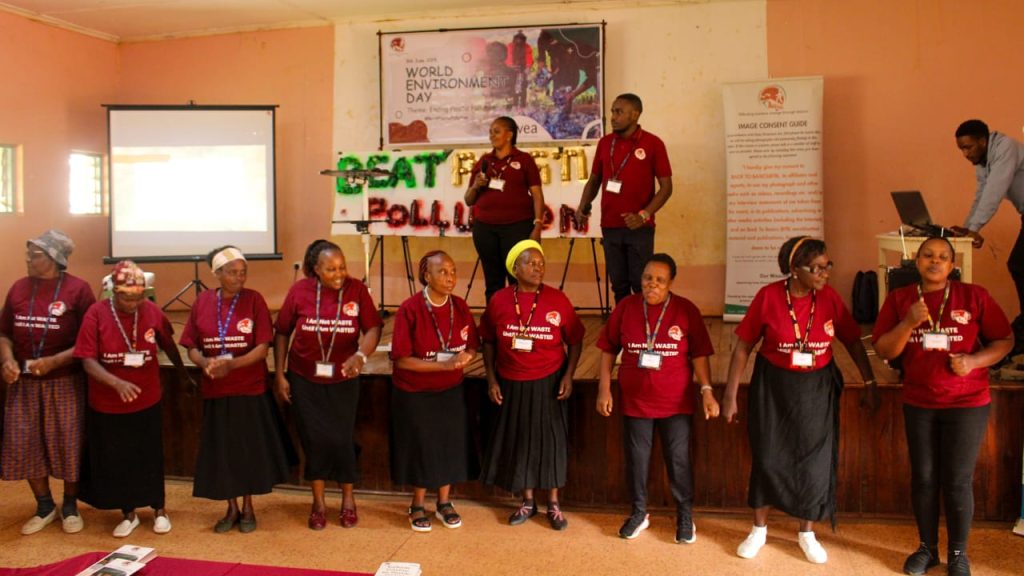
Hosted by Back to Basics, this year we turned the spotlight on women waste pickers – the unsung heroines working at the frontlines of plastic pollution in Nairobi’s informal settlements.
The day began with lived experiences. Women waste pickers, invited from various informal settlements in Nairobi, stepped onto the stage to share their stories – raw, unfiltered, and deeply inspiring. Stories of waking at dawn to beat garbage trucks. Of collecting used bottles, wrappers, and broken plastics with bare hands. Of being invisible to the very society they clean up. Of raising children on the little they earn from kilos of sorted trash. Some spoke of the stigma they’ve endured. But what tied them all together was their silent, heroic contribution to a cleaner Kenya.
“I used to be ashamed of my work,” one waste pickers said. But today, I stand proud, because this plastic I collect feeds my children and cleans the environment. I am part of the solution.”
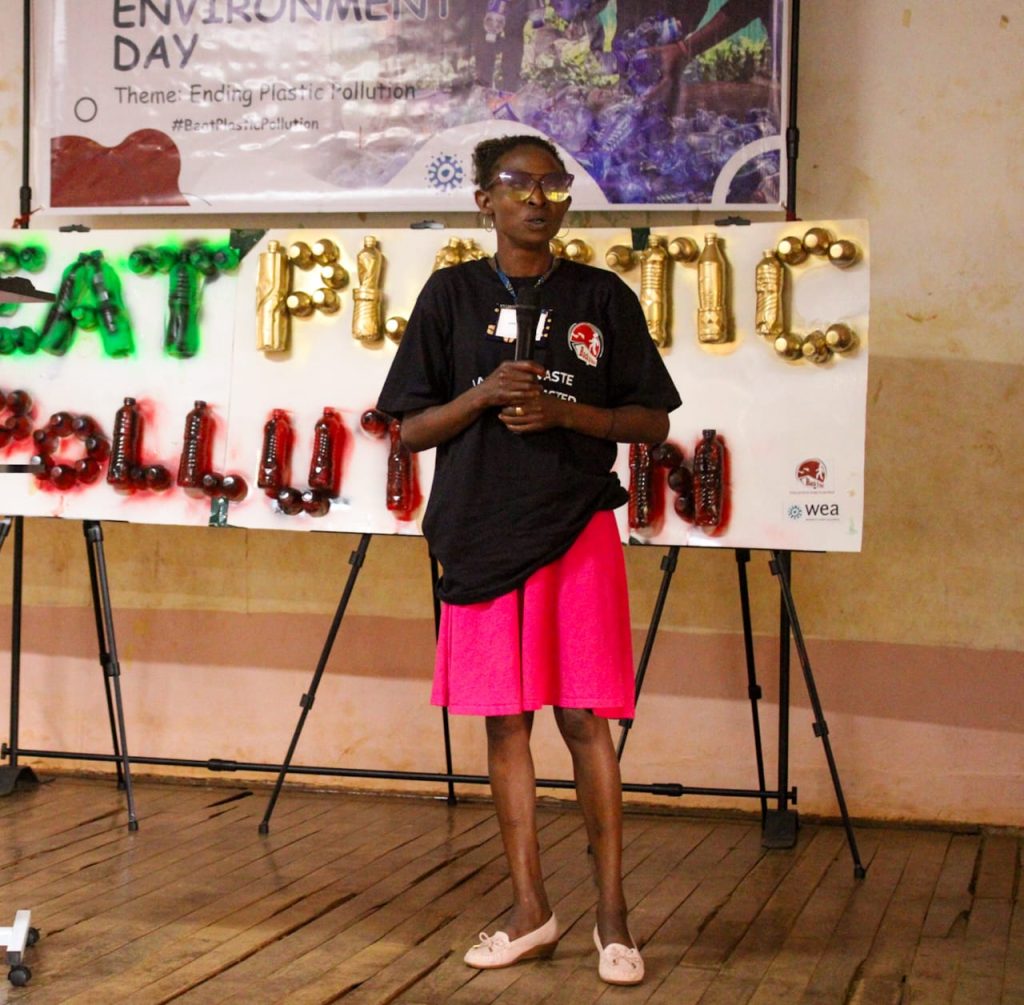
The atmosphere at Waithaka Social Hall was alive with more than just speeches; it thrummed with joy. Amidst testimonials and official remarks, women spontaneously burst into dancing and laughter (Kujiachilia). These moments of genuine happiness served as acts of reclaiming space and identity. The entertainment went beyond mere spectacle—it became a form of therapy, empowerment, and a means of strengthening bonds.
Several guests spoke passionately about the need to move beyond awareness into real, grassroots-driven action. One of the most powerful moments came when the BTB Director, Ms. Aisha Karanja, took the floor. With passion and conviction, she reminded us why Back to Basics exists: not to compete, but to transform, empower, and return to what truly matters.
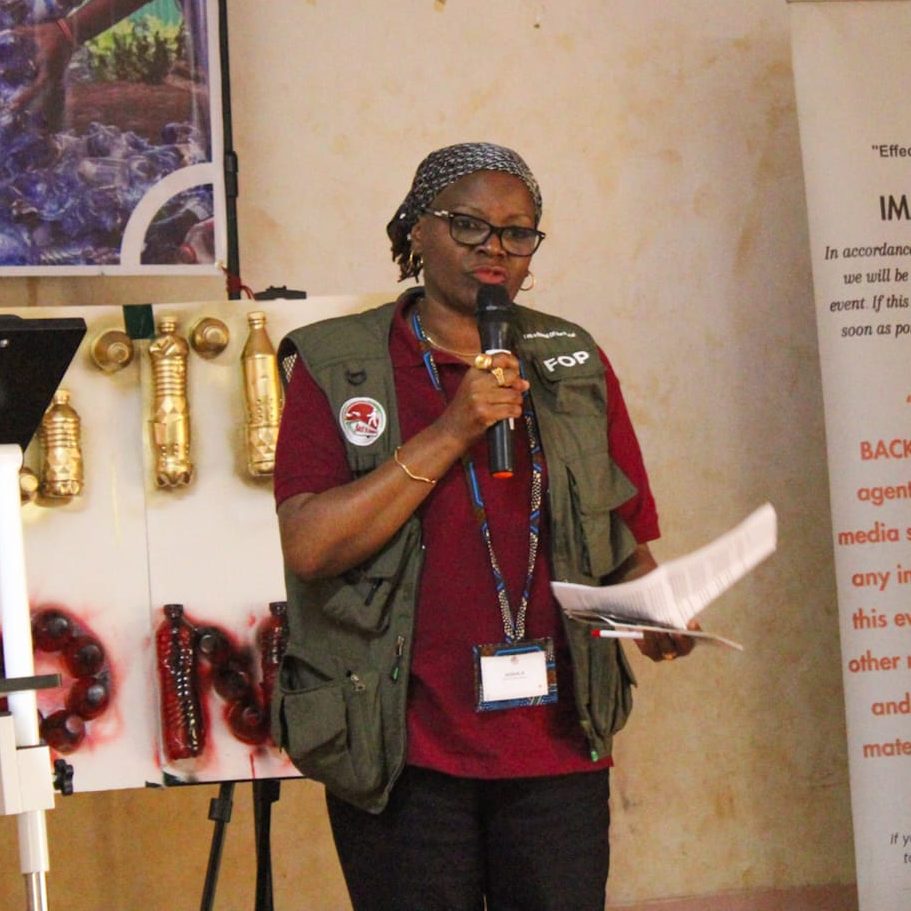
Ms. Aisha began by emphasizing that climate solutions don’t have to be complicated, they can start with simple, practical actions. “It cannot be this complicated,” she said. “At Back to Basics, we go back to the root, to where we lost our way, and we begin again. We work with those called ‘victims,’ not because they are weak, but because they are agents of change.”
She spoke candidly about the challenges faced by urban women, those without land, jobs, or security and why they are often forgotten in the funding and policymaking process. “These women are not statistics. They are climate ambassadors. They live on less than a dollar a day. They don’t just talk about plastic pollution. They live in it. And still, they choose to act.”
Back to Basics continues to amplify women’s voices and grassroots action, reminding us that true climate heroes don’t always wear suits—they wear work gloves and carry sacks of plastic. The event at Waithaka Social Hall may have lasted hours, but its impact will be felt long after. We saw, heard, and valued the women waste pickers, reaffirming that plastic pollution is as much a human issue as an environmental one.